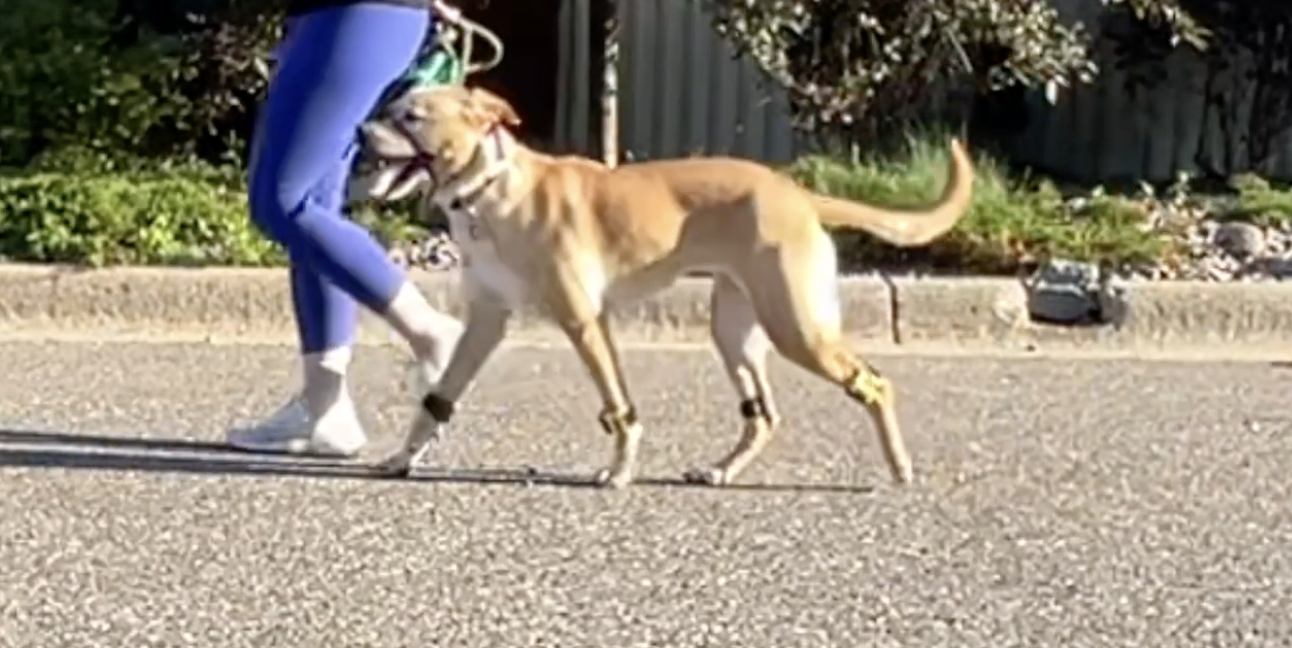
When a dog appears to recover from an injury, subtle compensations can still remain hidden beneath the surface. In many cases, these movement adaptations only become noticeable once activity levels increase again. Without objective gait analysis, they can easily go undetected.
In this new clinical case shared by Sweaty Paws Canine Hydroconditioning & Fitness, canine fitness professional Darcy Roessler explains how Tendiboots™ Canine helped identify persistent front limb asymmetries following a toe injury and supported a successful return to full activity.
The Clinical Case: Persistent Lameness After Rehabilitation
This case involved a 3-year-old Heeler mix who had previously completed a rehabilitation program elsewhere following a right front toe injury.
The initial rehabilitation process relied primarily on:
* Observation
* Palpation
* Functional assessment
No gait analysis technology had been used during recovery.
Although the dog returned to normal activity afterward, the owner continued noticing:
* Intermittent mild lameness
* Increased discomfort after exercise
* Subtle movement irregularities during higher activity levels
Based on the history, there was concern that compensatory movement patterns had developed during the recovery period.
Establishing an Objective Baseline with Tendiboots™ Canine
At the initial evaluation at Sweaty Paws, Tendiboots™ Canine was used to establish an objective locomotion baseline.
The Tendiboots™ summary identified:
✅ Reduced right front shoulder extension and flexion
✅ Shortened stride length
✅ Weight-bearing asymmetry on the right front limb
These findings helped confirm that the issue was no longer isolated to the original toe injury. Instead, the dog had developed broader biomechanical compensations affecting the entire limb.
This objective data aligned with the clinical observations and helped guide the rehabilitation strategy more precisely.
Why This Rehabilitation Approach Was Chosen
The goal was not only to address the original injury but also to correct the secondary movement compensations that had developed over time.
The rehabilitation program included:
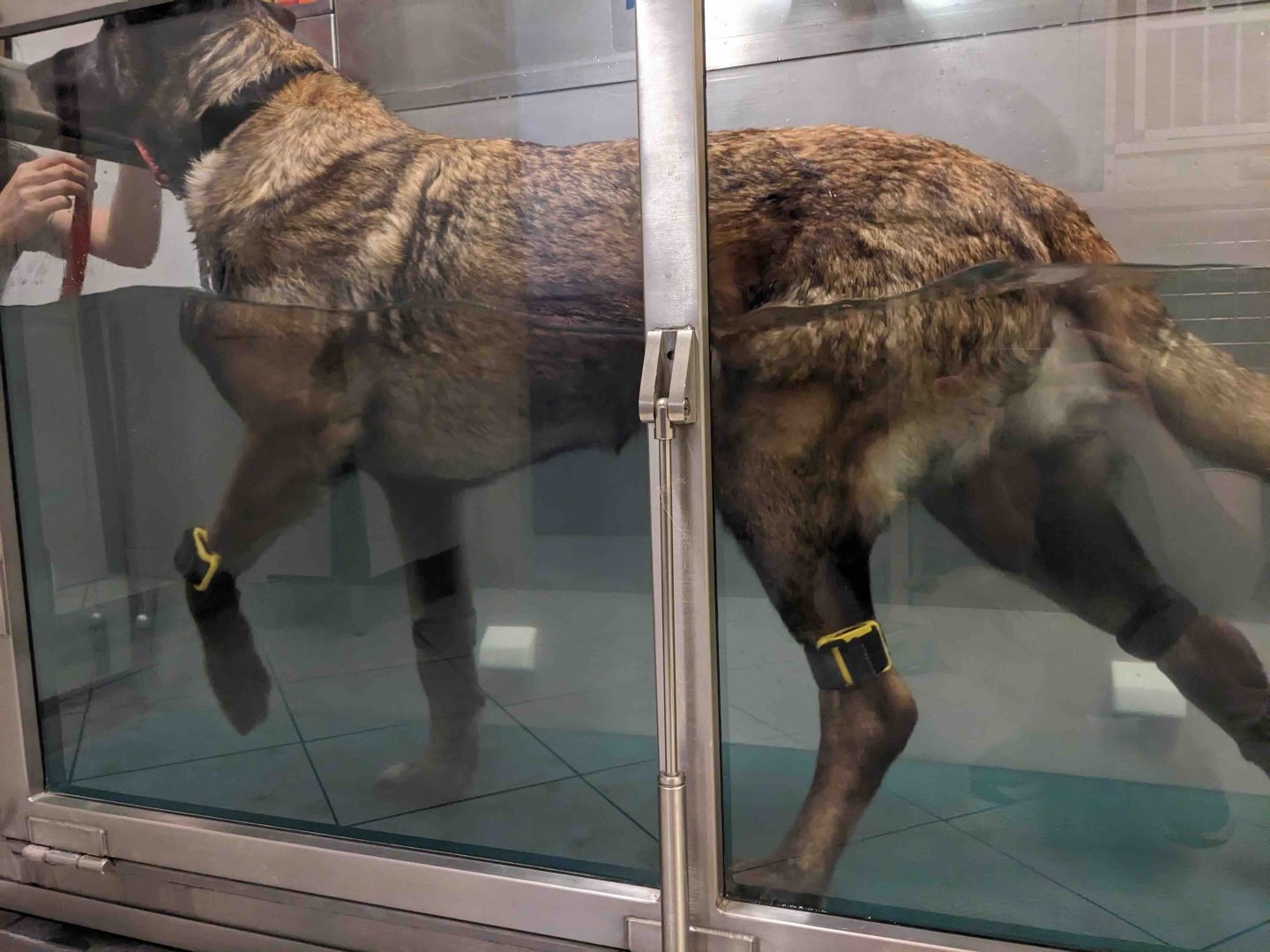
💧 10 Structured Water Treadmill Sessions
Hydrotherapy allowed controlled, low-impact movement while encouraging:
* More symmetrical limb use
* Safer loading of the affected front limb
* Progressive return to functional movement
🏠 Home Exercise Program
The owner also performed consistent exercises at home, including:
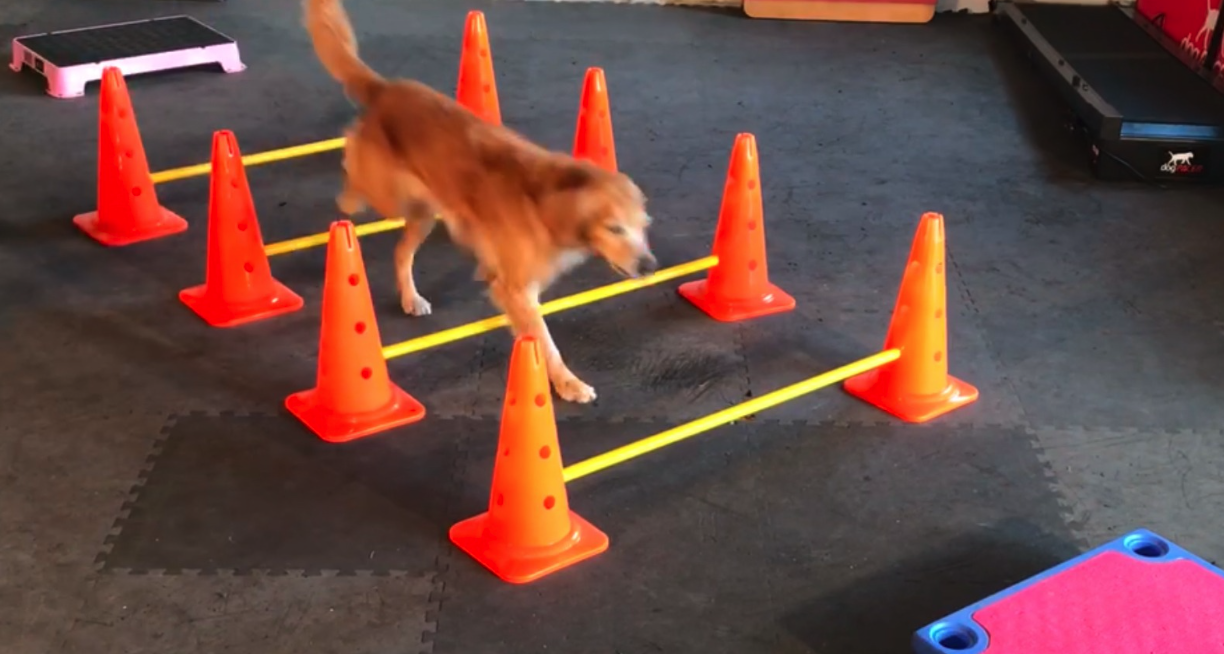
* Cavaletti exercises
* Down-to-stand transitions
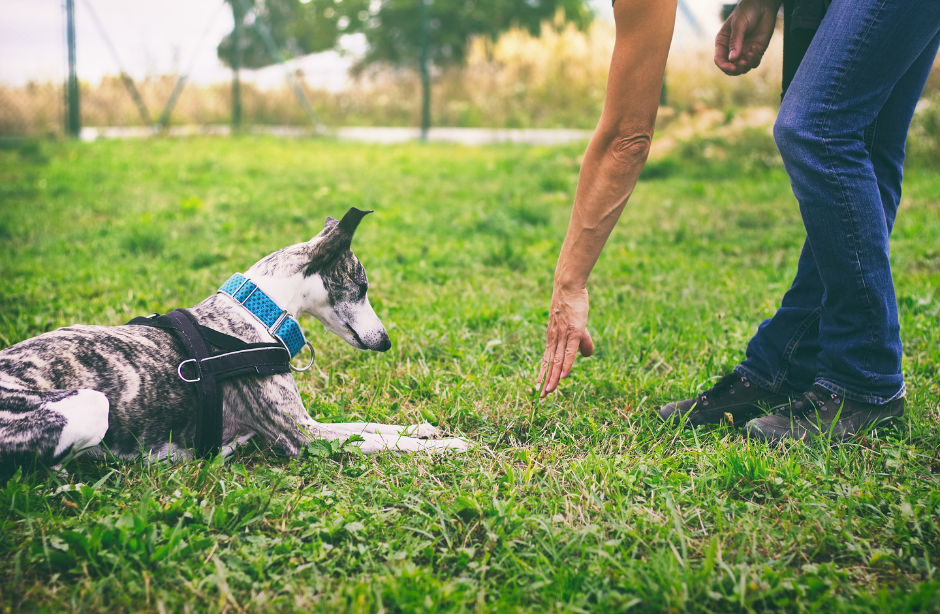
These exercises were selected to improve:
* Shoulder range of motion
* Strength
* Coordination
* Functional stability
How Tendiboots™ Assisted Throughout the Process
Tendiboots™ played a critical role during both:
* The initial assessment
* The follow-up reassessment approximately 6 weeks later
During the first evaluation:
The system provided objective evidence supporting the clinical findings and highlighted that:
* The problem extended beyond the toe itself
* Reduced limb loading and altered shoulder mechanics were present
At reassessment:
The follow-up Tendiboots™ analysis showed:
✅ Symmetrical gait results
✅ No significant biomechanical concerns
These results matched both:
* The clinical presentation
* The owner’s observations at home
For both the rehabilitation team and the owner, this objective confirmation provided reassurance that the dog had successfully returned to balanced movement.
The Outcome: Back to Full Activity
The owner’s goal was simple:
🐕 Allow the dog to safely return to off-leash life on the family farm (sprinting, playing, and moving freely without post-exercise soreness.)
Following completion of the rehabilitation program:
✅ The dog returned to full activity
✅ No further lameness episodes were reported
✅ Symmetrical gait patterns were maintained
The ongoing focus is now centered on:
* Maintaining strength
* Regular physical activity
* Occasional use of home exercises when needed
Why Objective Gait Analysis Matters
This case highlights an important reality in canine rehabilitation:
Even when an injury appears resolved clinically, subtle compensatory movement patterns can persist and affect long-term performance and comfort.
By combining clinical expertise with objective gait analysis, professionals can:
* Detect subtle asymmetries earlier
* Better guide rehabilitation plans
* Monitor progress more confidently
* Provide clearer communication with owners
Tendiboots™ Canine helps transform locomotion assessment from subjective observation into measurable, trackable data, supporting more precise rehabilitation decisions and improved outcomes for patients.
This monitoring was carried out in collaboration with Darcy Roessler from Sweaty Paws.
Many thanks to her for sharing this case.
Watch her video testimonial about Tendiboots™ Canine 👇