
In this clinical case, Dr. Gudrun Werner presents the longitudinal management of Mila, a 10-year-old German Shepherd diagnosed with lumbosacral instability and spondylosis.
Through repeated gait analysis with Tendiboots™ Canine and structured shockwave therapy sessions, this case highlights how objective locomotor data can be used to monitor functional progression in chronic lumbosacral disease.
Clinical Case Example: The Case of Mila
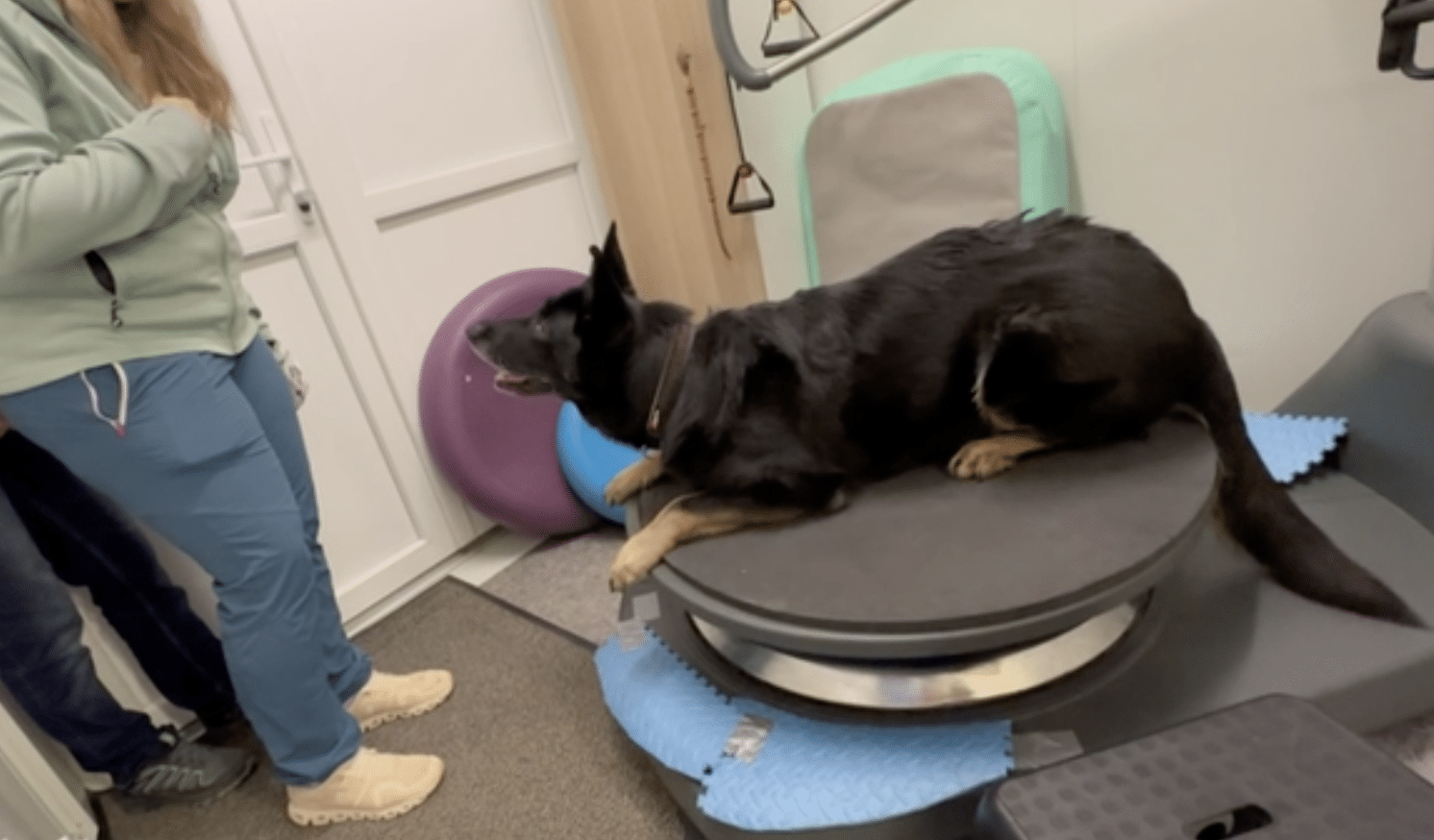
Mila was presented for evaluation of a chronic right hindlimb lameness. Clinical examination confirmed a Grade 2/4 lameness affecting the right pelvic limb, with signs consistent with lumbosacral discomfort and mechanical instability.
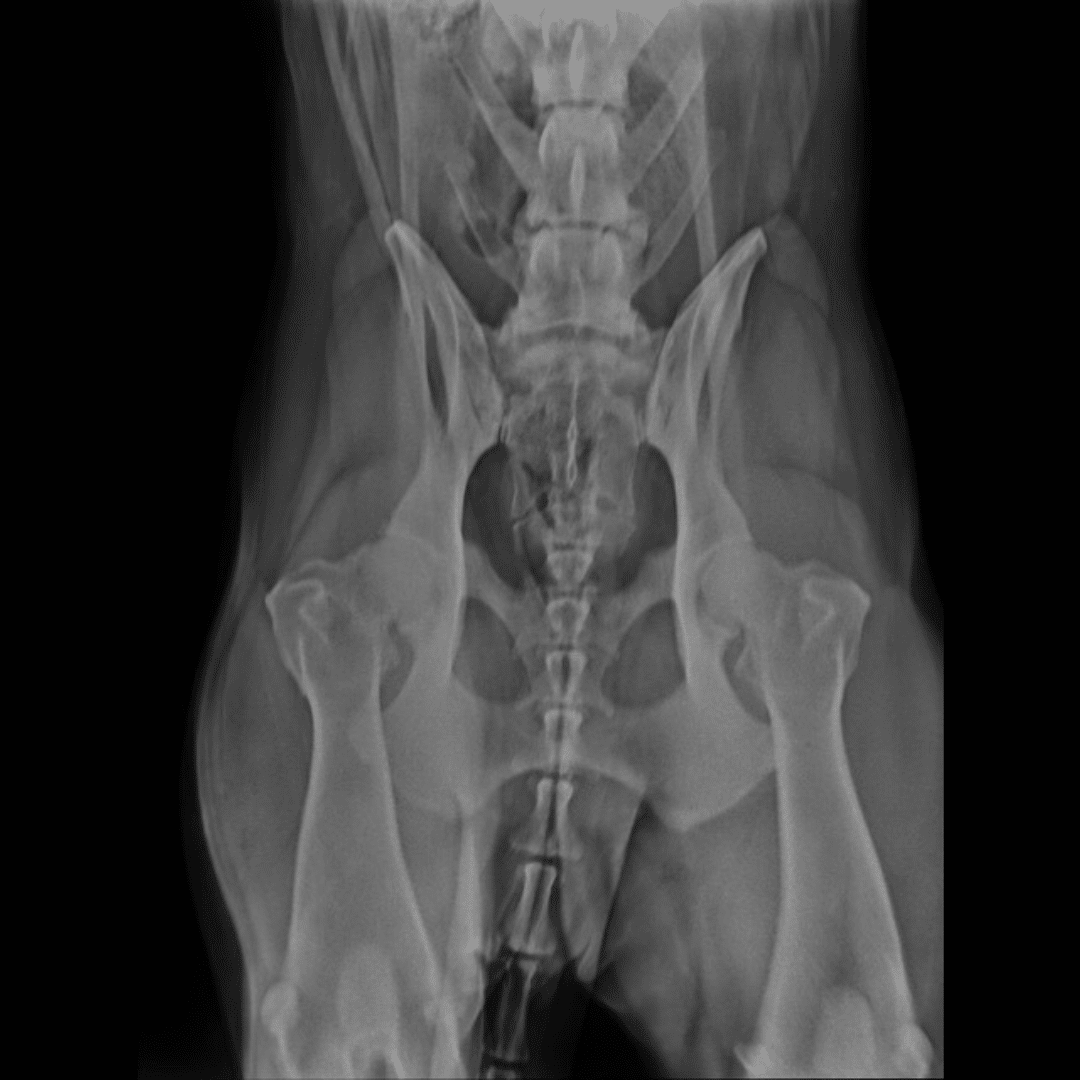
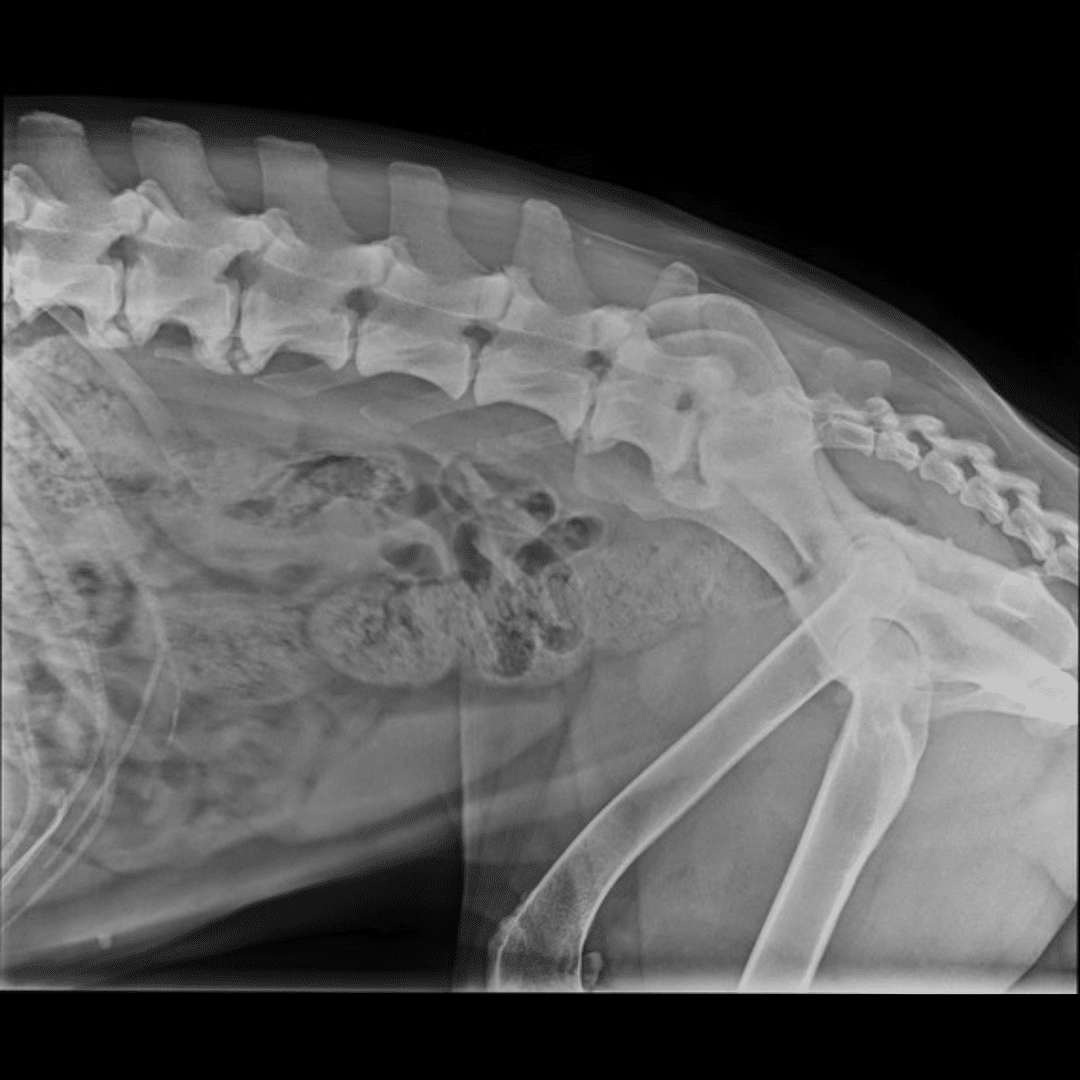
The diagnosis of lumbosacral instability was supported by imaging findings showing degenerative changes and spondylosis at the lumbosacral junction.
During clinical examination, asymmetry in hindlimb loading was suspected, with compensatory adaptations involving the forelimbs. The dog showed reduced propulsion from the right hind limb and a mild alteration in pelvic stability during stance and movement.
Due to the chronic and fluctuating nature of the condition, objective gait analysis was performed at multiple time points to better assess functional evolution over time.
Gait Analysis and Clinical Monitoring
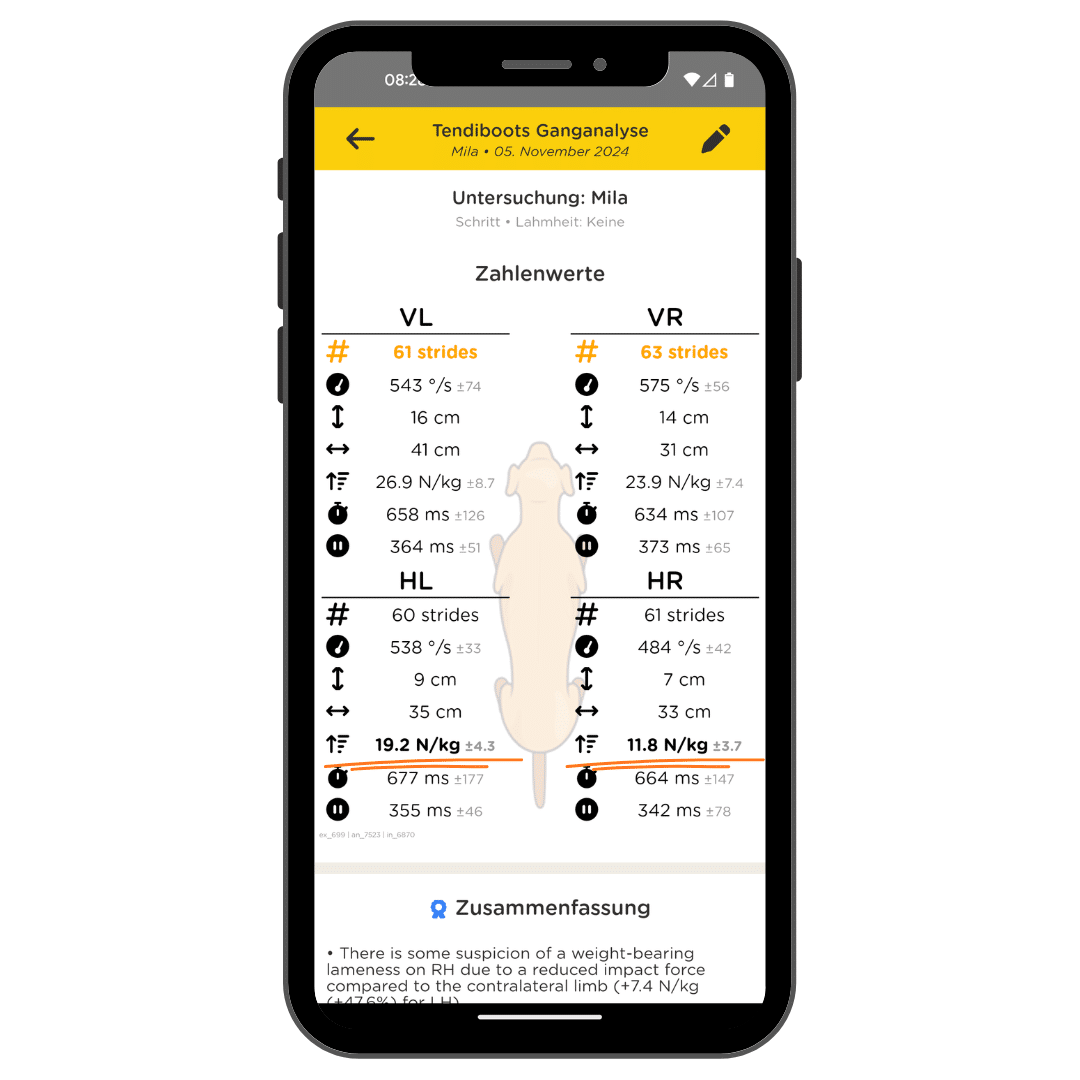
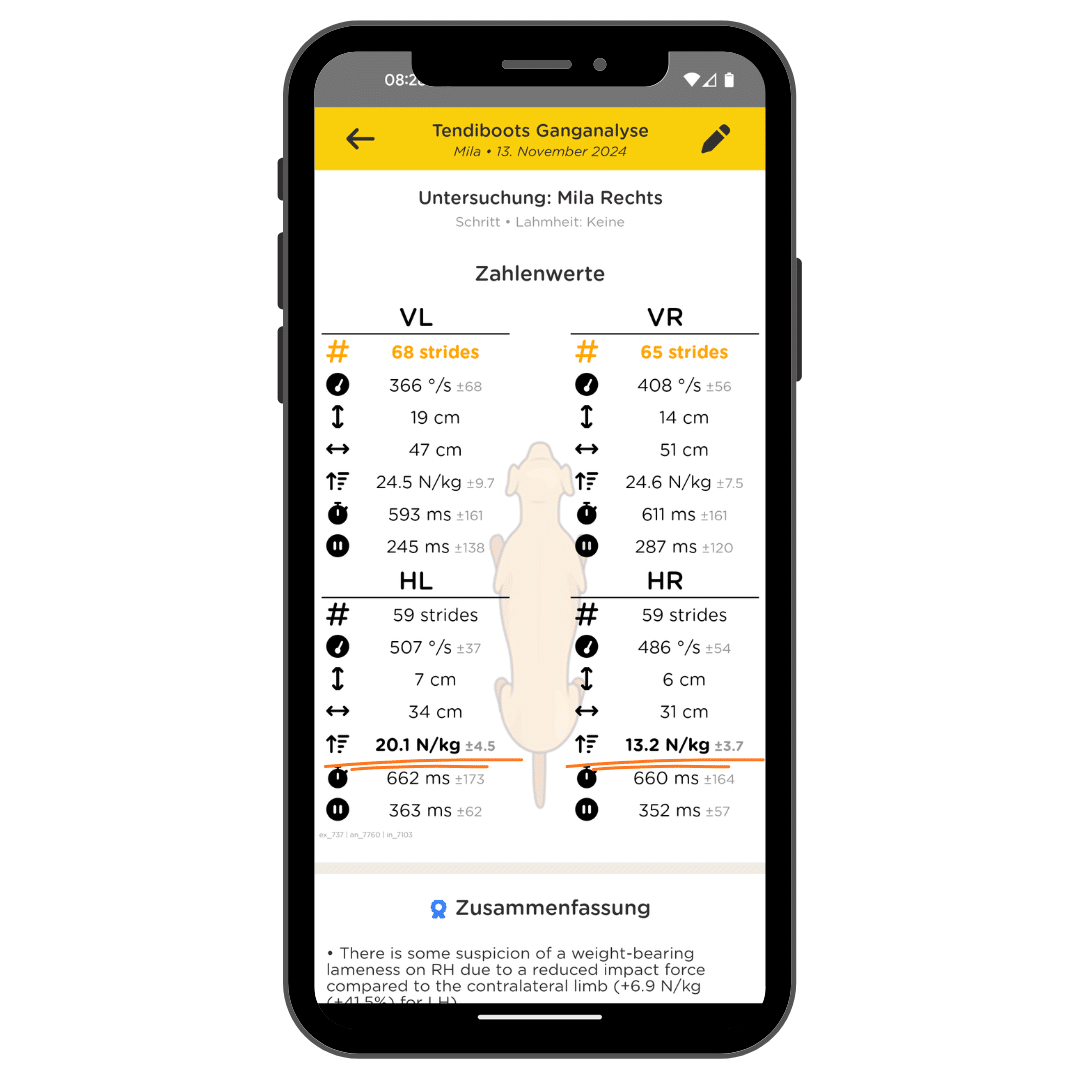
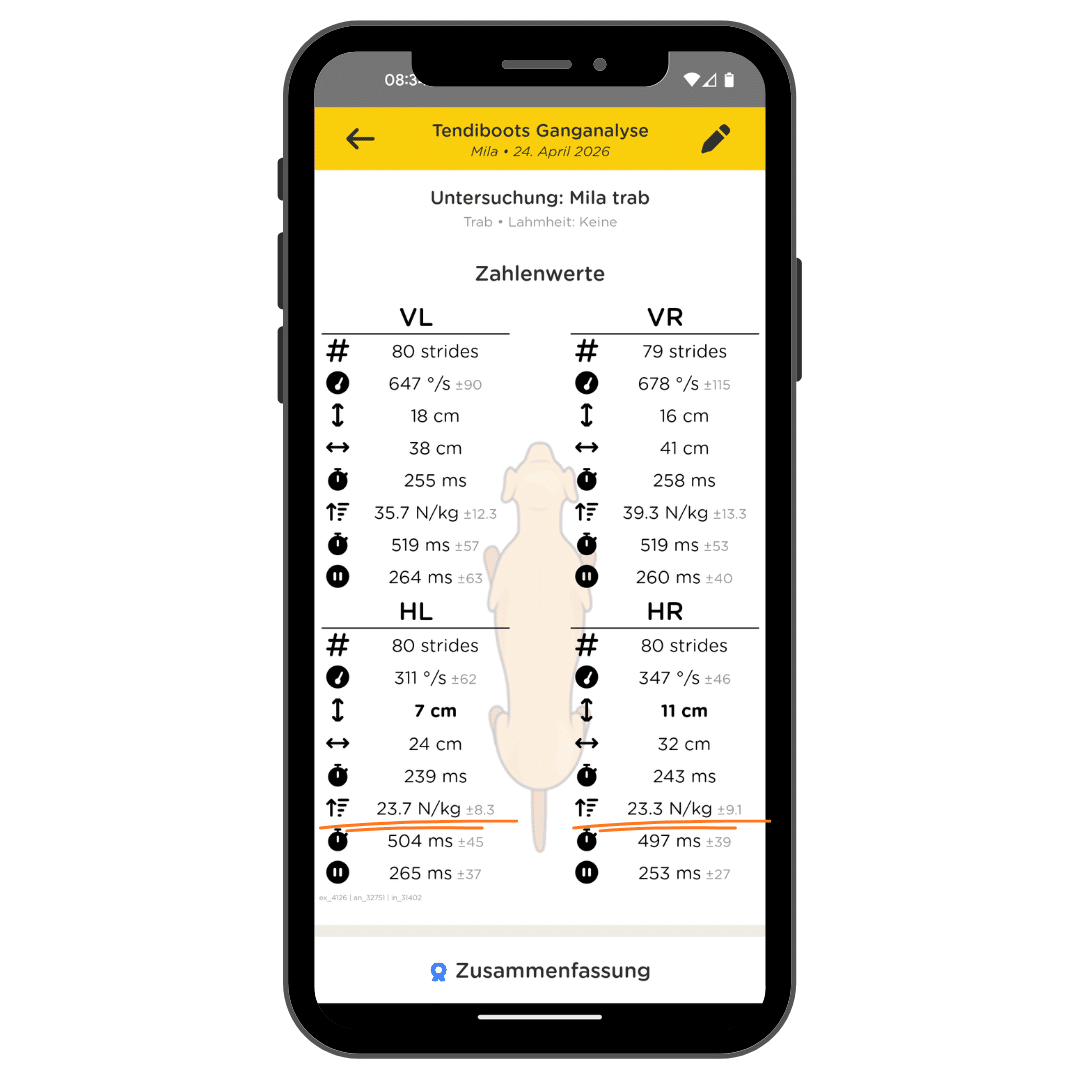
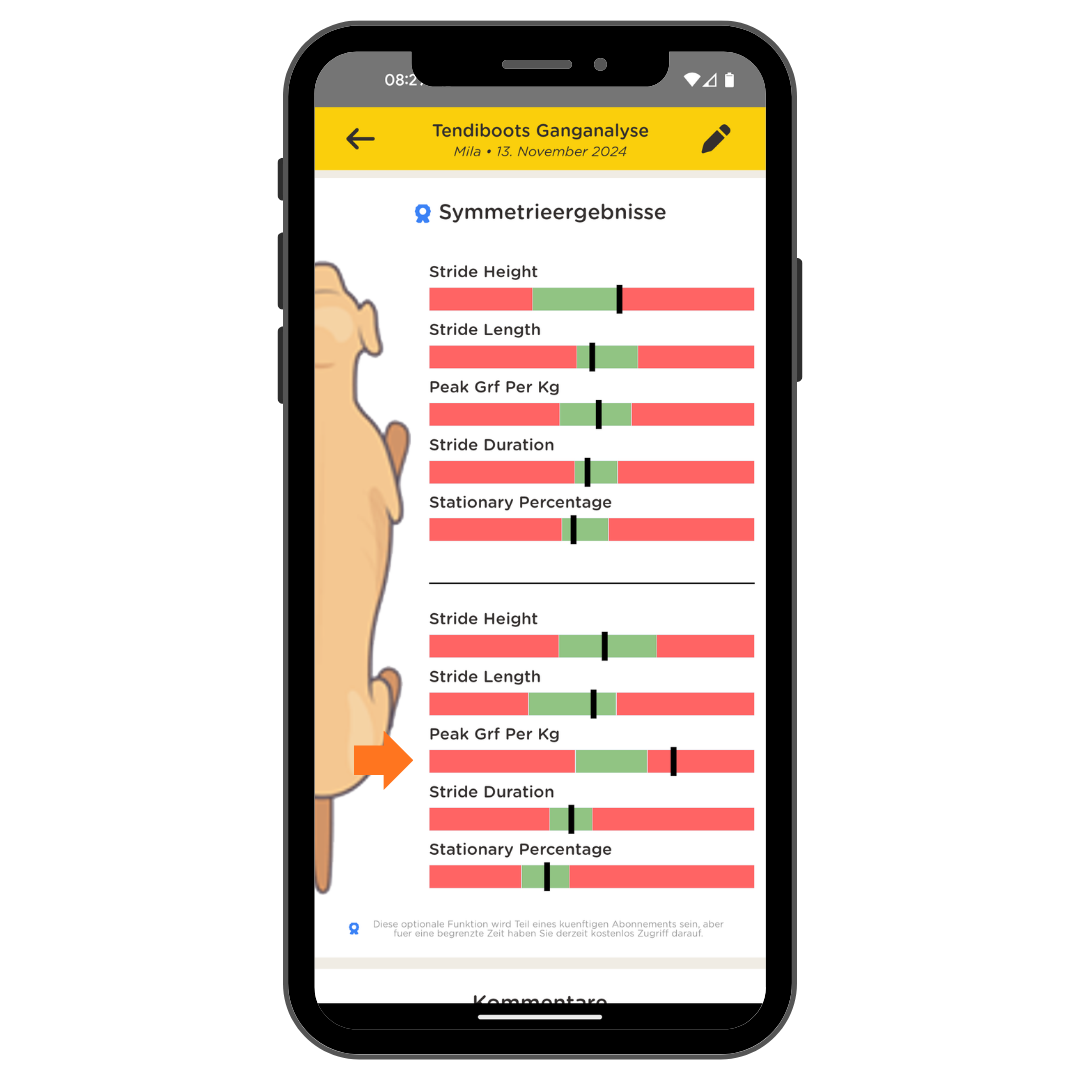
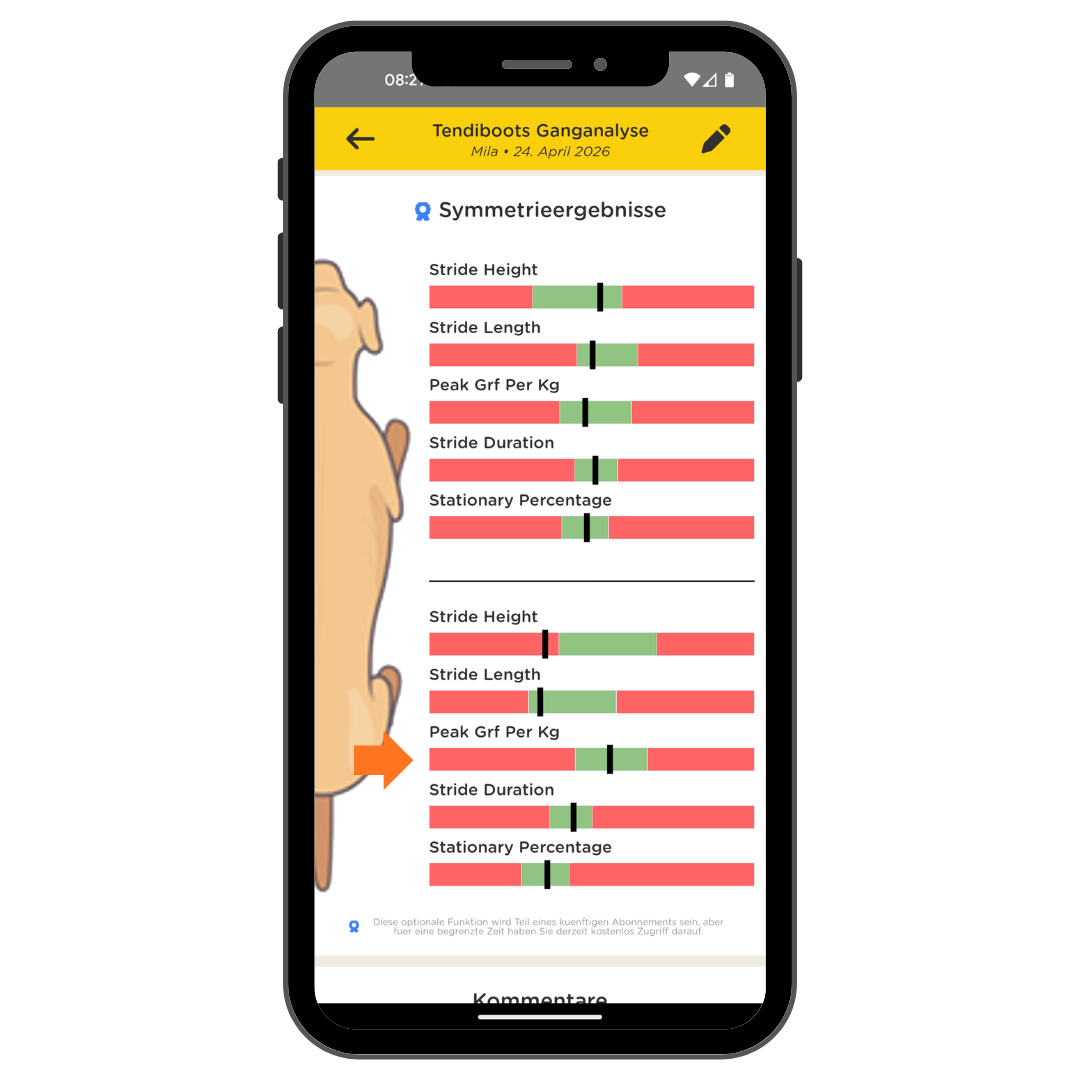
Tendiboots™ Canine gait analysis was performed on three occasions: November 2024, November 2024 follow-up, and April 2026.
These recordings were correlated with three structured shockwave therapy series targeting the lumbosacral junction, performed in November 2024, November 2025, and April 2026.
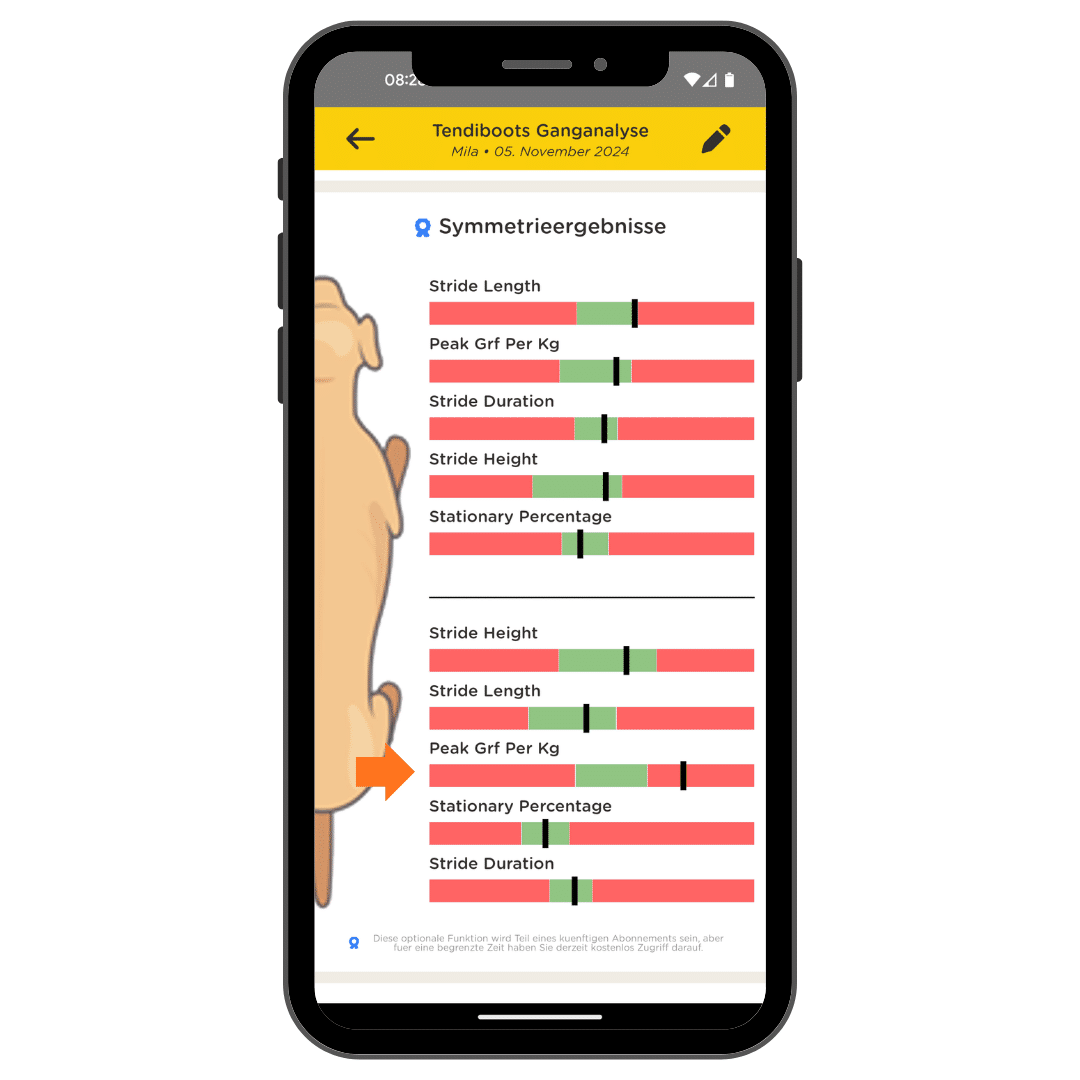
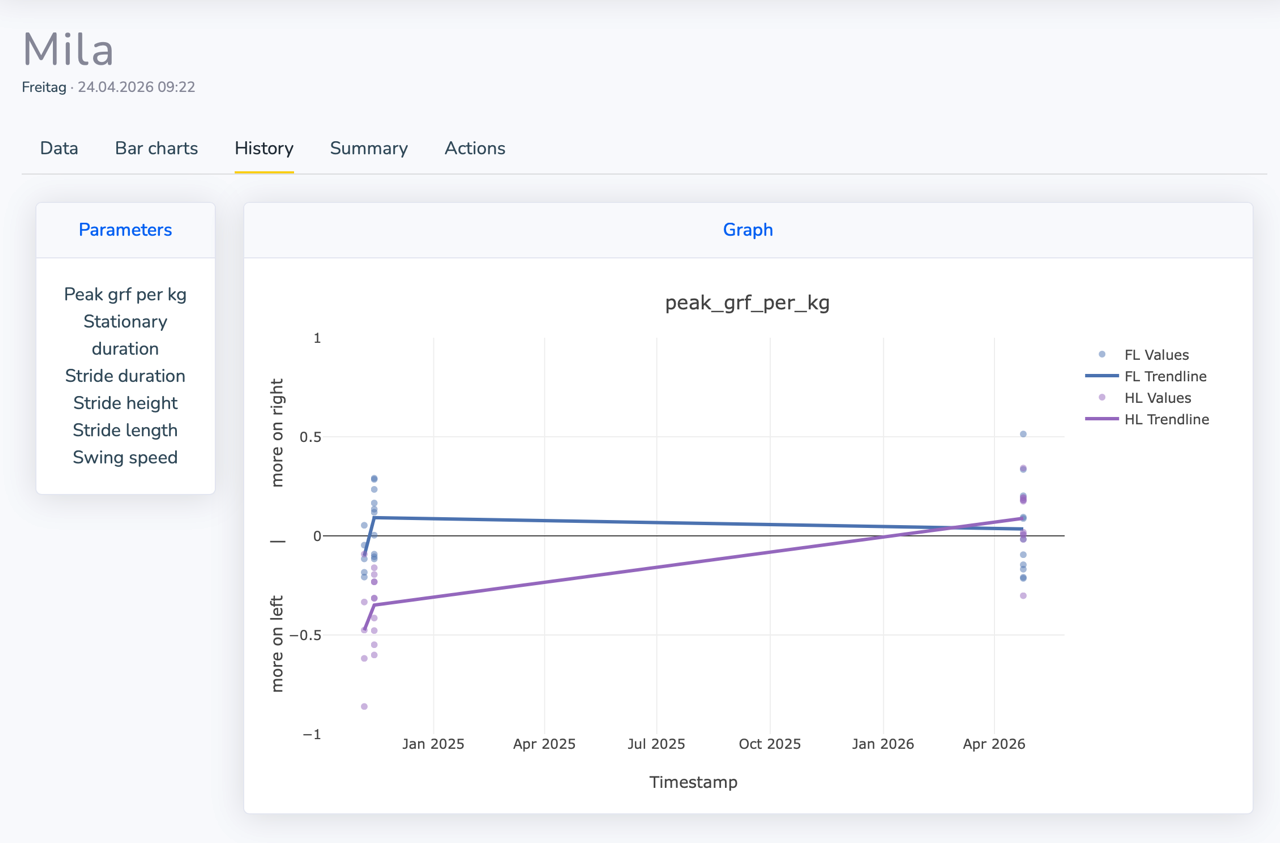
Across the observation period, a progressive improvement in locomotor symmetry was observed. The most consistent change was a gradual reduction in hindlimb asymmetry, with peak ground reaction force values progressively moving closer to the central symmetry axis.
At the beginning of the follow-up period, the right hindlimb showed reduced loading compared to the contralateral side, indicating functional avoidance likely related to pain or instability. Over time, this asymmetry decreased, and both hindlimbs showed a more balanced contribution to propulsion and support.
A reduction in forelimb compensatory loading was also observed, suggesting an overall improvement in locomotor distribution rather than an isolated hindlimb effect.
Correlation with Shockwave Therapy
Each shockwave therapy series was followed by a noticeable improvement in gait symmetry patterns.
After the November 2024 and November 2025 sessions, a reduction in hindlimb asymmetry was observed, together with more stable loading patterns between strides. Variability in force distribution also decreased, indicating improved functional consistency.
The most recent intervention in April 2026 was followed by the most marked stabilization of gait patterns, with improved symmetry and reduced oscillations in the loading curves.
Interpretation of Gait Data
In the Tendiboots™ Canine graphs, the progressive movement of both forelimb and hindlimb trendlines toward the central symmetry axis reflects a reduction in locomotor compensation.
Initially, hindlimb values were clearly distant from the neutral symmetry zone, consistent with asymmetrical loading due to lumbosacral discomfort. Over time, these values progressively moved closer to the central line, indicating improved balance between limbs.
The April 2026 evaluation shows the most stable pattern, with reduced variability and a more physiological distribution of forces across all limbs.
Expert’s Insight
“Over the course of repeated evaluations, we observed a clear and progressive improvement in Mila’s locomotion. What is particularly relevant is the stabilization of gait patterns over time, not only the reduction of asymmetry.
The combination of shockwave therapy and objective gait analysis allowed us to follow functional changes that are often difficult to detect in chronic lumbosacral disease.”
Gudrun Werner, DVM CCRP
Focus on Shockwave Therapy in Lumbosacral Disease
Shockwave therapy is commonly used in the management of musculoskeletal and neuromuscular conditions in dogs. In cases of lumbosacral instability, it may contribute to pain modulation and improved functional use of the hindlimbs.
The benefits of this approach include:
• Reduction of pain-related movement avoidance
• Improvement in functional weight bearing
• Support of local tissue adaptation
• Enhancement of locomotor symmetry over time
Conclusion
This case illustrates how repeated objective gait analysis combined with structured shockwave therapy can provide measurable insights into the functional evolution of chronic lumbosacral instability.
Over time, Mila showed a progressive improvement in hindlimb symmetry, reduced compensatory loading, and a more stable and physiological gait pattern.
While some clinical findings associated with her lumbosacral instability, including recurrent pelvic asymmetries and lumbar sensitivity, remained consistently present over time, the objective locomotion data documented meaningful functional changes.
Importantly, these findings were reflected in Mila’s daily activities. According to her owners, prior to the initiation of shockwave therapy, she was unable to comfortably complete their usual 10 km hikes. Following treatment, she was able to participate in these longer walks more willingly and with improved comfort.
This case highlights the value of combining objective gait analysis with clinical expertise and owner-reported outcomes to monitor patients with chronic musculoskeletal conditions and assess functional progress beyond static clinical findings.
Dr. Gudrun Werner, Veterinarian Specialized in Physiotherapy and Rehabilitation
Gudrun Werner is a certified canine rehabilitation practitioner (CCRP) specialized in physiotherapy, rehabilitation medicine, acupuncture, and chiropractic care.
She practices in Austria and works with dogs and cats suffering from musculoskeletal and neurological conditions, integrating advanced modalities such as shockwave therapy, laser therapy, and electrostimulation.
She also uses the Tendiboots™ Canine system for objective gait analysis in clinical practice.
Visit Dr. Gudrun Werner’s Website : http://www.tieropraktik.at/