
A complex case shared by Tina Selland, CCRP – Rehabdyrepleieren AS in association with Dr Anne Margrethe Nydal, Veterinary Chiropractor – Lett på Poten.
Discover how the objective data support the management and monitoring of complex case in veterinary medicine.
Orthopedic and Neurological Challenges in a Malinois
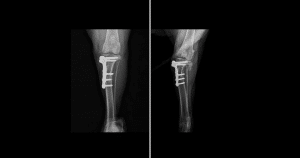
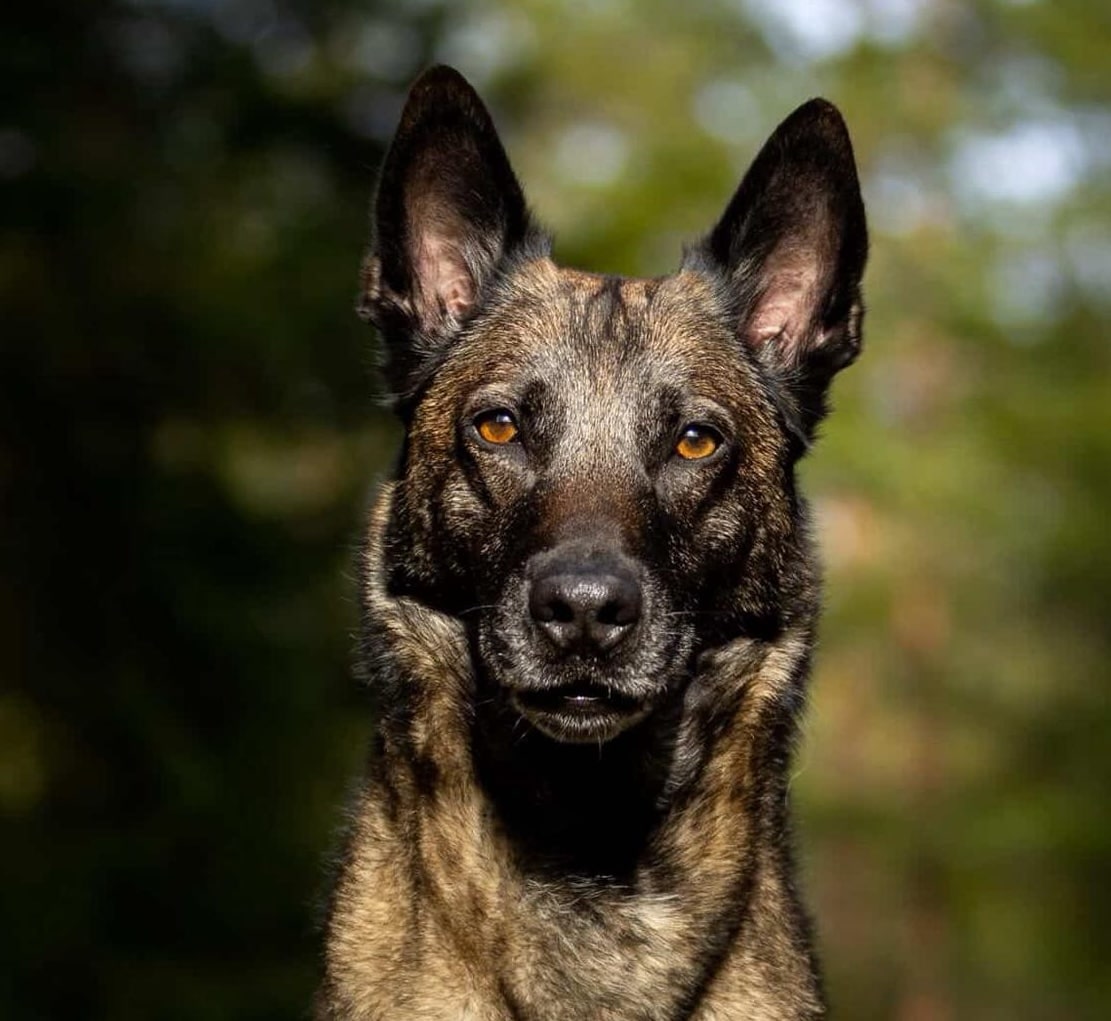
We followed an 8-year-old spayed female Malinois with a complex history of orthopedic and neurological issues. She had previously undergone MSI surgery on her right front limb, suffers from spondylosis at T5-6-7, and experiencd a tendon laceration on her left hind limb last summer, complicated by pressure necrosis from bandaging.
In addition, she has an undiagnosed neurological deficit that occasionally causes incoordination, stumbles, and a “wobble” behind when moving. She may even fall if a collar applies pressure around her neck.
Treatment Approach and Objective Gait Monitoring
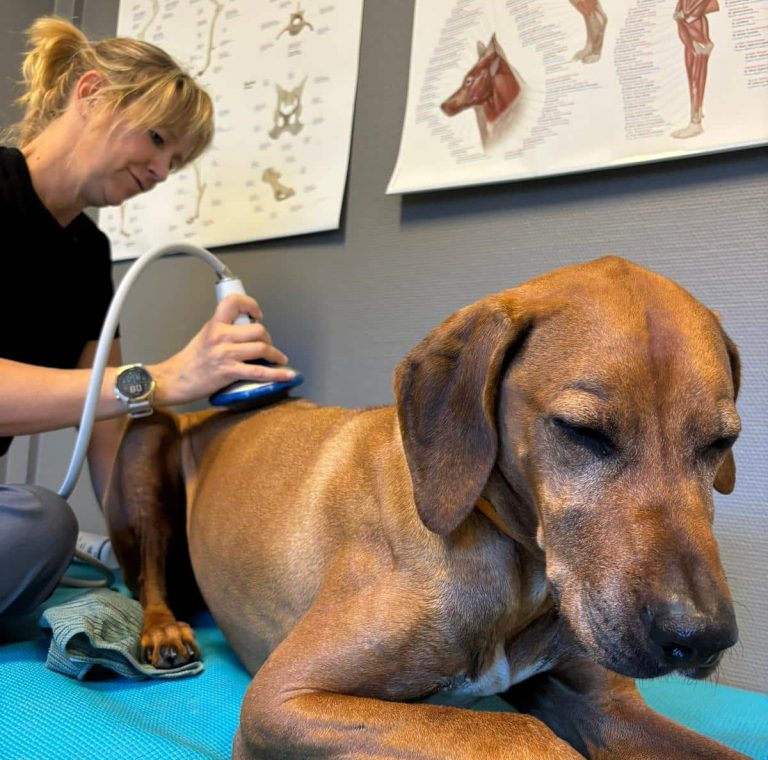
The patient’s symptoms had worsened over the winter, showing increased stiffness and discomfort. Our treatment plan included focused shockwave therapy (ESWT) on T4-T8, the lumbosacral transition, and bilateral SI joints to reduce inflammation in sore vertebrae and epaxial muscles. Gabapentin was introduced at 200 mg BID, and regular chiropractic adjustments were continued.
We captured gait data using Tendiboots™ at three points: first, a baseline recording before any intervention; second, after the initial ESWT and medication; and third, following further ESWT sessions. This allowed us to objectively measure changes in stride, symmetry, and propulsion.
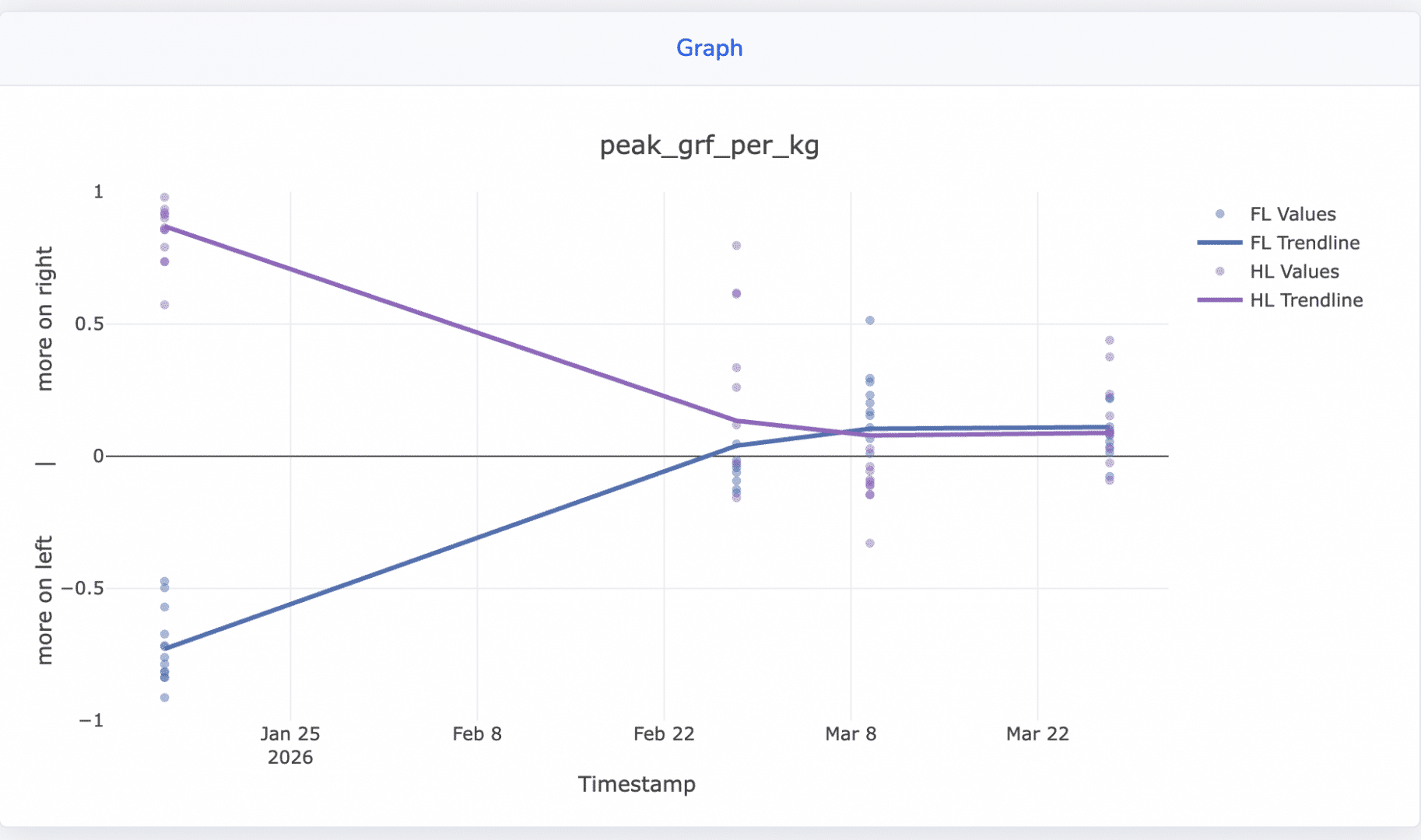
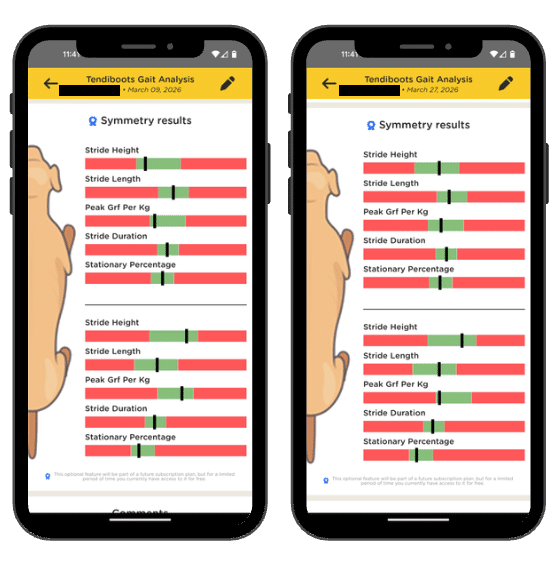
This graph illustrates the evolution of impact forces in this dog over time. In January, Tendiboots™ measurements showed significant asymmetries, both between the forelimbs and the hindlimbs, with higher impact observed on the left diagonal (more impact force on left forelimb and right hindlimb).
By March, the measurements had become more symmetrical, indicating a more balanced distribution of impact forces across all limbs. These results were consistent in the last two sessions on March 8 and March 22, even after the treatment had ended (Gabapentin).
Why This Treatment Approach Was Chosen
The dog had been receiving regular treatments since birth and was well-maintained by her owner. However, her symptoms had worsened, and she appeared increasingly stiff and uncomfortable.
Focused shockwave therapy was chosen to specifically target inflammation in the vertebrae and epaxial muscles caused by her movement patterns, while chiropractic adjustments and medication supported overall comfort and mobility.
Enhanced Monitoring and Collaboration with Tendiboots™
Tendiboots™ proved invaluable for objectively tracking the dog’s gait.
The device provided clear, quantifiable data, showing measurable improvements after each treatment session.
For the owner, this translated into reassurance, as progress was visible in graphs and numbers rather than relying solely on observation.
Additionally, because the referring veterinarian lives two hours away, Tendiboots™ allowed seamless digital sharing of results, enabling collaboration between rehab nurse and vet for informed treatment decisions.
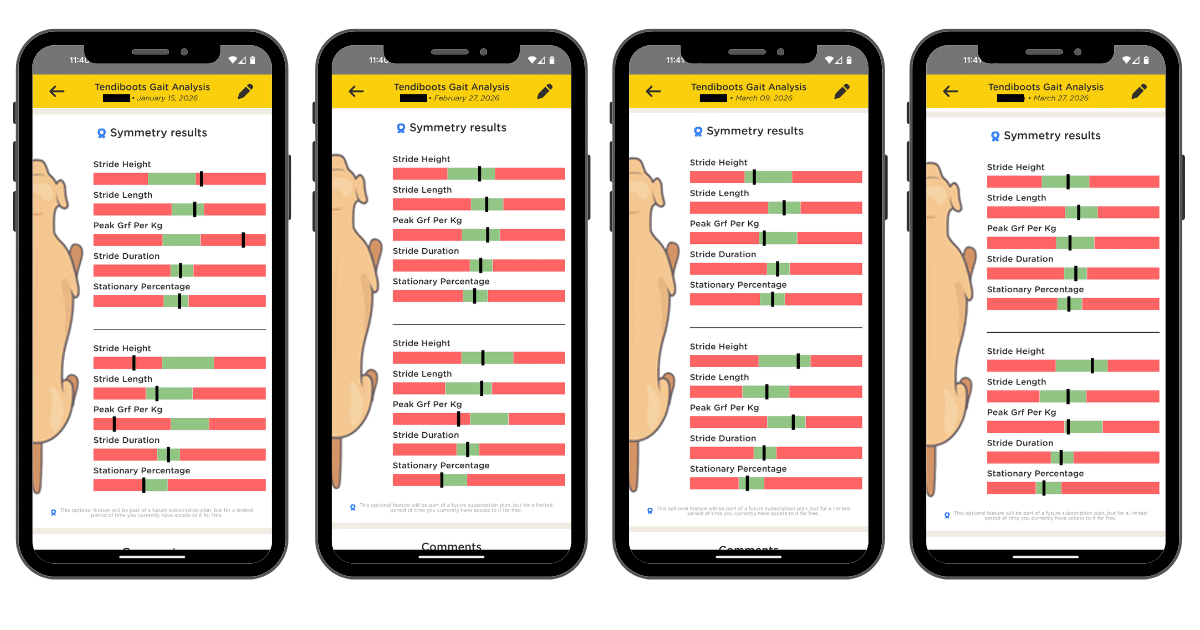
On the Tendiboots™ Canine Graph Bar, professionals can quickly identify parameters that fall outside the normal range for a healthy dog (green zone).
In this follow-up:
• January (leftmost screen): Peak GRF for the forelimbs was outside the green zone, with lower impact on the right forelimb (red zone on the right). For the hindlimbs (bars below the thin black middle line), the left hindlimb was underloaded (red zone on the left).
• February: All forelimb parameters returned to the green zone. Peak GRF on the left hindlimb was still slightly below the normal range but closer to the green zone, indicating improvement.
• March (last two sessions): All parameters are now within the green zone, showing balanced force distribution across all limbs, even after the end of the treatment (Gabapentin).
This visualization highlights how Tendiboots™ Canine allows clinicians to track subtle changes in gait and force distribution over time, providing objective data to support rehabilitation progress.
Ongoing Care and Long-Term Monitoring
Although the dog will not fully recover, the goal is to maintain her as a comfortable and active patient.
Regular monitoring with Tendiboots™. ensures any changes in gait or symmetry can be detected early, allowing adjustments to pain management or rehabilitation protocols as needed.
A recent follow-up showed that even after discontinuing Gabapentin due to adverse effects (increased anxiety/episodes), the dog maintained the gait symmetry achieved through shockwave therapy.
Discover more about Tina and practice
Tina Selland, CCRP – Rehabdyrepleieren AS Facebook.
Dr Anne Margrethe Nydal, Veterinary Chiropractor – Lett på Poten.