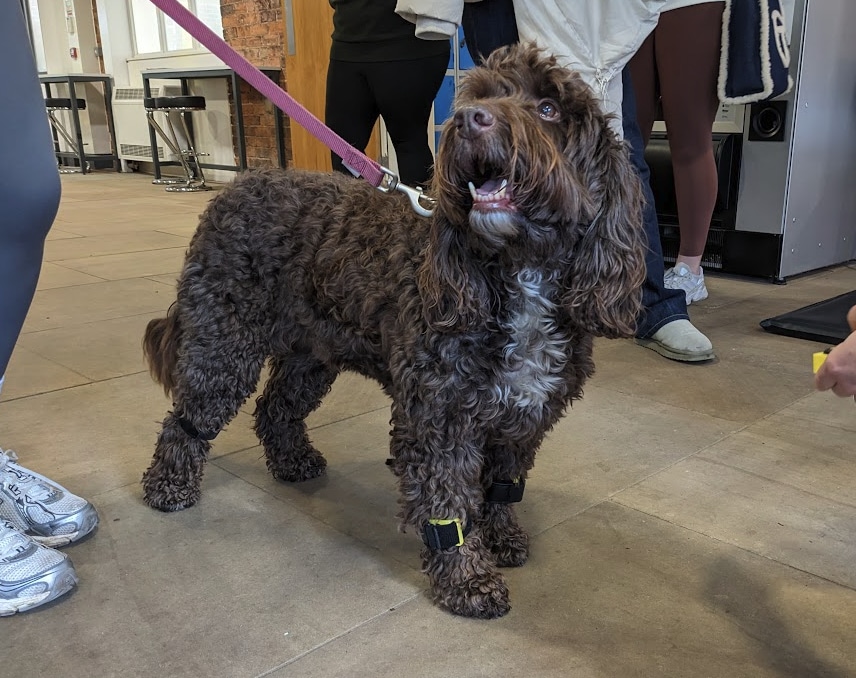
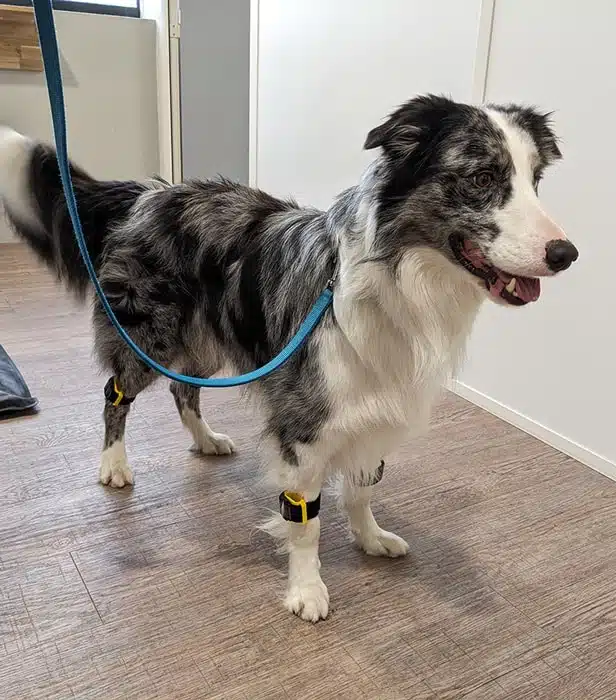
In cases of chronic musculoskeletal conditions, the difficult question is often not whether a dog is dramatically lame, but whether its function is actually improving enough over time.
This webinar explores how serial locomotion data can make chronic pain monitoring easier when the clinical picture is subtle, fluctuating, or partially reassuring.
Through an anonymized retrospective case study, conducted by a partner clinician, we examine how repeated gait measurements can structure reassessment discussions, compare changes between consultations, and support the clinical dialogue around functional improvement over time.
The approach is practical and clinically rigorous: Tendiboots™ Canine does not directly measure pain and does not replace clinical judgment. Instead, it provides an objective functional view that can help clinicians better monitor the evolution of uncertain cases.
What you will learn
Why monitoring chronic pain is difficult in subtle cases
Understand why mild or intermittent lameness can still have important clinical consequences, especially when owners and clinicians are trying to determine whether progress is sufficient.
How serial locomotion data add context during follow-up
Discover how repeated measurements can provide a baseline, a gait-specific comparison, and a clearer view of partial improvement over time.
How to use objective locomotion data without overstating it
Learn when this tool is most useful, what it cannot tell you, and how to keep the veterinarian or rehabilitation professional at the center of the decision.
Ready to transform your practice?
Join 150 professionals already registered for this exclusive training